Energy terms explained
Last updated: 11 November 2026 · Reviewed by the Scottish Energy Efficiency team
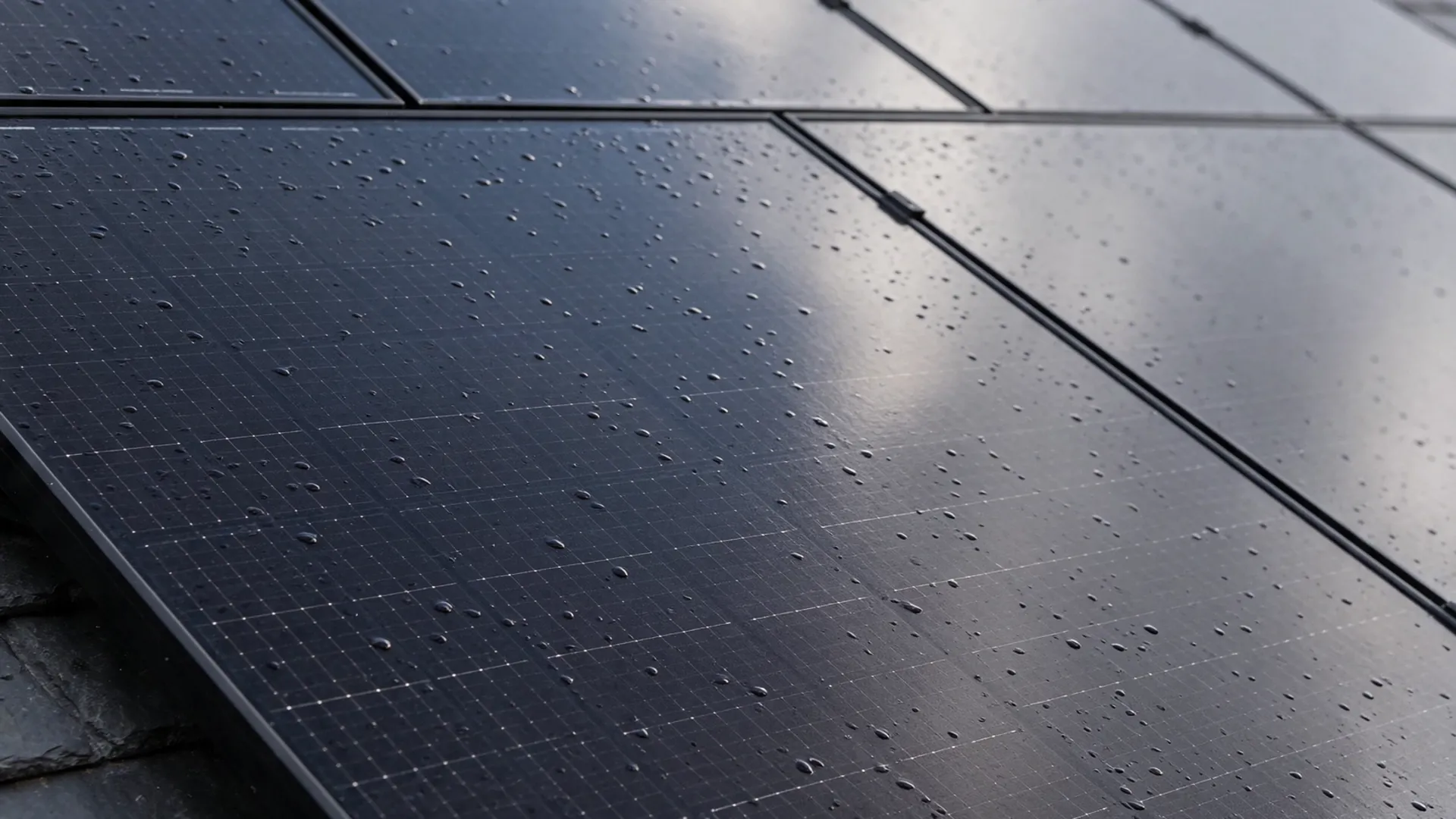
Quick answer: A plain English glossary of the terms you will encounter when researching solar panels, battery storage and heat pumps in Scotland. MCS, SEG, DNO, kWp, kWh, EPC, G98, G99, ASHP, inverter, permitted development, VAT, building warrant and more — all explained clearly.
What do all these energy terms mean?
MCS: Microgeneration Certification Scheme. SEG: Smart Export Guarantee. DNO: Distribution Network Operator. kWp: Kilowatt-peak. kWh: Kilowatt-hour. EPC: Energy Performance Certificate. G98: DNO notification for small-scale generation. G99: DNO approval for larger generation. ASHP: Air Source Heat Pump. Inverter: converts DC to AC electricity. Permitted Development: planning rules for home improvements. VAT: 0% on solar, batteries and heat pumps to March 2027. Building Warrant: Scottish local authority approval. SP Energy Networks: DNO for central and southern Scotland.
What is MCS?
MCS stands for Microgeneration Certification Scheme. It is the quality assurance standard for renewable energy installations in the UK. An MCS certificate proves your installation was carried out by a certified installer to recognised standards. Some SEG export tariffs require an MCS certificate to register.
We install through MCS-certified partners. After installation, you receive an MCS certificate registered on the MCS central database. You can verify MCS accreditation on the live register at mcscertified.com.
What is SEG?
SEG stands for Smart Export Guarantee. It is a government scheme that requires energy suppliers with at least 150,000 customers to offer a tariff for surplus renewable electricity exported to the grid. SEG rates vary by supplier and tariff — check current rates with energy suppliers.
SEG payments are separate from your electricity generation. You export surplus solar generation to the grid and your supplier pays you for it. An MCS certificate is typically required to register for SEG. Contact your energy supplier to set up SEG payments after installation.
What is a DNO?
DNO stands for Distribution Network Operator. The DNO owns and operates the electricity distribution network in your area. Every solar installation must be notified to the DNO — G98 notification for systems up to 3.68kW per phase, G99 prior approval for larger systems.
In Scotland, SP Energy Networks covers central and southern areas including Glasgow, Edinburgh, Stirling and Ayrshire. SSEN (Scottish and Southern Electricity Networks) covers the Highlands and Islands and areas north of Aberdeen. We handle all DNO notifications as part of your installation.
What are G98 and G99?
G98 is the DNO notification process for small-scale generation systems up to 3.68kW per phase. The installer notifies the DNO within 28 days of installation — no prior approval is needed. Most domestic solar installations fall under G98.
G99 is the DNO prior approval process for larger systems above 3.68kW per phase. Approval must be obtained before installation begins. This applies to larger domestic systems, commercial installations and systems with three-phase connections. We handle all G98/G99 paperwork.
What is an ASHP?
ASHP stands for Air Source Heat Pump. It is an electric heating system that extracts heat from outside air — even at low temperatures — and uses it to heat your home and hot water. ASHPs are much more efficient than conventional electric heaters, typically producing 2-3 units of heat for every unit of electricity used.
ASHPs work well in the Scottish climate. They are particularly effective for off-gas properties currently using oil, LPG or electric storage heating. Heat pump suitability depends on insulation levels — we recommend improving insulation first. We install through MCS-certified partners.
What is permitted development?
Permitted development is the planning rules that allow certain home improvements without needing planning permission. Most domestic solar installations in Scotland are permitted development, meaning you do not need to apply for planning permission.
Exceptions include listed buildings, which require listed building consent, and some conservation areas where planning permission may be needed depending on panel placement. We check all planning requirements during your no-obligation survey.
What is a building warrant?
A building warrant is the approval issued by a Scottish local authority under the Building (Scotland) Regulations. Most solar panel installations do not require a building warrant, but certain installations — particularly those involving structural alterations — may need one.
We check building warrant requirements during your no-obligation survey. If a warrant is needed, we advise on the application process. 0% VAT on solar panels, batteries and heat pumps applies in the UK until 31 March 2027.
You can read more on our sister sites: solar costs, savings and export payments; home battery storage systems; interest-free monthly payments for solar and battery. Part of the Scottish Energy Efficiency network.
Key facts for Scotland
- MCS (Microgeneration Certification Scheme) is the quality assurance standard for renewable installers in the UK.
- SEG (Smart Export Guarantee) pays you for surplus renewable electricity exported to the grid.
- 0% VAT on solar panels, batteries and heat pumps applies in the UK until 31 March 2027.
- In Scotland, SP Energy Networks covers central and southern areas; SSEN covers the Highlands and Islands.
Frequently asked questions
What is the difference between kWp and kWh?
kWp (kilowatt-peak) is the rated peak output of a solar PV system under standard test conditions. kWh (kilowatt-hour) is a unit of energy — the amount you use or generate over time. Your electricity bill is measured in kWh.
Do I need to know these terms to get a quote?
No. We explain everything in plain English during your survey. This glossary is here to help if you encounter these terms while researching solar, batteries or heat pumps.
What is the difference between G98 and G99?
G98 is the DNO notification process for small systems up to 3.68kW per phase, notified within 28 days of install. G99 is the prior approval process for larger systems above 3.68kW per phase, required before installation begins.
Related guides
Related: Solar Panels · Battery Storage · FAQ · Get a Quote